Scene fashion is a highly recognizable 2000s youth style associated with dramatic side-swept hair, heavy eyeliner, skinny silhouettes, band merchandise, neon accents, graphic prints and dense accessories. It overlapped with emo and internet music culture but developed a brighter, more deliberately attention-seeking visual language.
Today, people may use scene style for period-inspired looks and scenecore for a newer, internet-remixed version. The boundaries are debated, so this guide describes visible clothing and styling choices instead of treating either label as a membership test.
Scene Style at a Glance
- Hair: side-swept fringe, choppy layers, volume, bright streaks or high-contrast extensions
- Makeup: strong black eyeliner, defined eyes and comparatively simple base makeup
- Clothing: band tees, fitted hoodies, skinny jeans, short skirts, striped layers and graphic tops
- Color: black combined with neon, rainbow, checkerboard or animal print
- Accessories: layered bracelets, belts, bows, clips, necklaces and character imagery
Where 2000s Scene Fashion Came From
Scene developed through local music environments and early social platforms rather than one designer collection. It became widely visible in the mid-to-late 2000s as photos, profiles, bands and personal styling circulated online. British Vogue's retrospective on what followed the Y2K revival describes scene as an early-2000s subculture that became popular through the middle and later part of the decade while remaining distinct from emo.
Because image archives are incomplete and participants used labels differently, exact origin stories should be treated cautiously. The Library of Congress clothing, costume and fashion research guide is a useful starting point for broader twentieth- and twenty-first-century fashion research, but it does not establish one official scene uniform.
Scene vs Emo
Scene and emo shared music spaces, fitted clothing, band tees, eyeliner and side-swept hair. Scene styling typically pushed brighter color, louder graphics, more accessories and a more performative profile-photo aesthetic. Emo is also a music and cultural label with its own histories; reducing it to black clothing is inaccurate.
A person can borrow visual elements from either without claiming a complete identity. Describe the garment and era when precision matters: “2000s scene-inspired neon belt” is clearer than declaring every colorful skinny-jean outfit authentically scene.
Scene Fashion vs Scenecore
Scenecore is often used for a contemporary revival that exaggerates nostalgic internet imagery, rainbow clutter, character graphics and hyper-digital presentation. Original 2000s scene outfits were not always as densely layered as modern mood boards suggest. Archive photos can help separate period styling from later remix.
How to Build Scene Outfits
1. Start with one fitted base
Use a band tee, graphic top or fitted hoodie with skinny jeans, shorts or a mini skirt. A clear base keeps accessories from swallowing the silhouette.
2. Choose a controlled color conflict
Combine black with one neon or two coordinated bright colors. Repeat the accent in hair, belt, socks or jewelry. Random color can be authentic to the maximalist mood, but repeated color makes an outfit easier to read.
3. Layer accessories near the face and waist
Hair clips, bows and necklaces frame the profile-photo focal area. At the waist, a chain belt or graphic belt adds horizontal contrast. Keep chains clear of snag points and use documented product dimensions.
4. Add pattern once
Checkerboard, stripes, leopard or zebra print can establish the era quickly. Use one dominant pattern, then repeat only a small fragment elsewhere.
5. Finish with deliberate footwear
Canvas sneakers, skate shoes, flats or boots can all work. The strongest choice is the pair that balances the trouser or skirt proportion and remains comfortable for the actual event.
Four Scene Outfit Formulas
Classic black-and-neon scene outfit
Graphic black tee + skinny black trousers + neon belt + matching hair streak + layered bracelets.
Scene skirt outfit
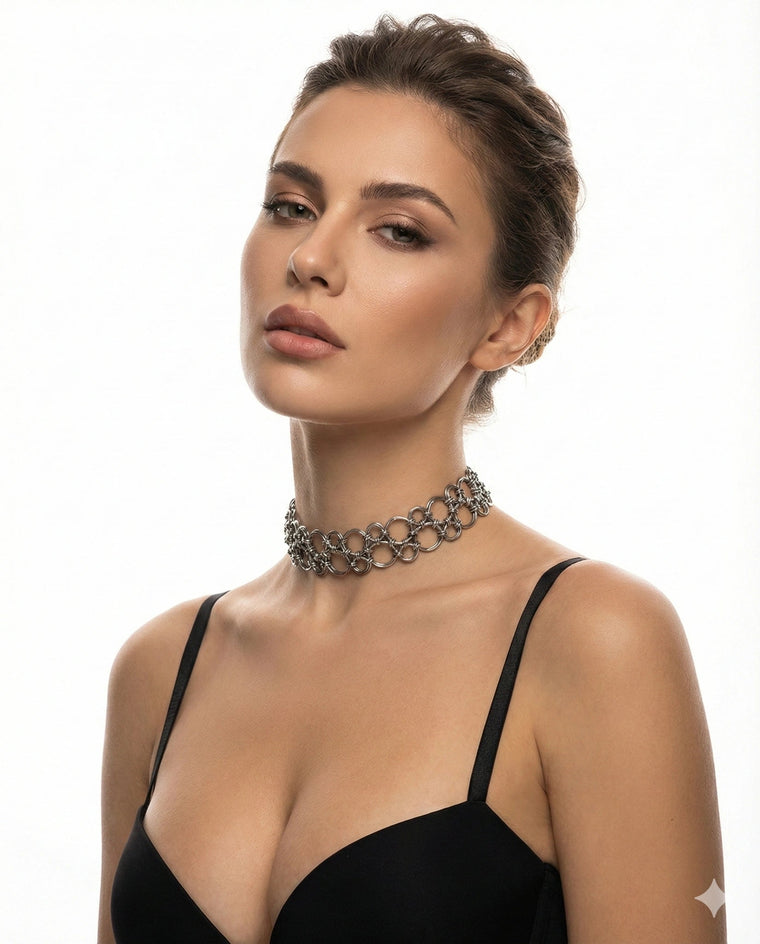
Fitted top + black or checked mini skirt + striped tights + boots + one gothic choker. Browse gothic skirts for compatible dark foundations.
Modern scenecore outfit
Character graphic + rainbow accessories + short dark bottom + deliberately digital makeup or hair color. Decide whether the goal is historical reference or modern remix and label it honestly.
Subtle everyday scene style
Band tee + dark jeans + side-swept hair + one bright accessory. This keeps the reference visible without recreating a full profile-era look.
Scene Accessories Without Costume Overload
Scene styling rewards accumulation, but every item still needs a role. Divide accessories into three zones:
- Face: hair clips, bow, eyeliner, one necklace
- Hands: bracelets or fingerless gloves
- Waist: belt or chain
If all three zones are intense, simplify the garment print. If the tee or tights are already loud, leave one accessory zone quiet.
Scene Hair and Makeup: Reference Without Damage
Hair and eyeliner carry much of the scene aesthetic, but a historical reference does not require daily heat, aggressive teasing or uncomfortable products. Test color on a small area, follow manufacturer instructions and use temporary extensions or clips when you want contrast without a permanent change.
For makeup, begin with the eye shape rather than maximum thickness. Keep tools clean, avoid sharing eye products and remove makeup according to the product instructions. A modern scene look can reference a long side fringe and bold liner without reproducing every 2000s technique.
How to Use Archives for a More Accurate Scene Outfit
Modern mood boards often combine original scene, later scenecore, e-girl styling and general Y2K nostalgia. When period accuracy matters, compare dated photos from several people and locations. Look for what appears repeatedly: fitted band merchandise, dark skinny bottoms, one or two bright colors, side-swept hair and layered but not always maximal accessories.
Use “2000s scene-inspired” when the outfit borrows that vocabulary and “modern scenecore” when it deliberately intensifies digital nostalgia. Precise labels improve the guide without turning style into gatekeeping.
Archive research also prevents false certainty. One popular photo cannot establish what everyone wore, and personal recollections vary. Use dated evidence carefully to understand the range, then treat your own outfit today as a current interpretation rather than a museum reconstruction.
Frequently Asked Questions
What is scene fashion?
It is a 2000s youth style associated with dramatic hair, heavy eyeliner, fitted clothing, band merchandise, bright accents, graphic patterns and layered accessories.
Is scene fashion the same as emo?
No. They overlap historically and visually, but scene generally used brighter color, denser accessories and a more overt internet-photo aesthetic.
What is scenecore?
Scenecore is a modern internet-remixed label that often exaggerates nostalgic scene color, character imagery and visual clutter.
How do I make a scene outfit without buying everything new?
Start with a dark fitted base, add one bright color, one pattern and accessories you already own. Hair and makeup can carry more of the reference than a completely new wardrobe.