A chain belt works best when its anchor, drape and placement are clear. Start by deciding whether the belt should sit at the natural waist, low waist or hips, then test it with the jeans, dress or skirt you actually plan to wear. The chains should create movement without catching pockets, zippers, lace or a bag strap.
This guide explains how to wear a chain belt without treating every waist chain as the same product. It covers belt-led silver chain styles, black or white waist straps, jeans, dresses, skirts and fit checks. When you are ready to compare current products, browse the chain belts for women.
What Is a Chain Belt?
A chain belt is a waist or hip accessory in which chain is the main visual detail. Some designs use chain alone; others anchor hanging chains to a faux leather strap, O-rings or a wider belt panel. Searchers also use belt chain, waist chain belt and chain waist belt for overlapping products, so the gallery and construction are more reliable than the wording alone.
Belt-Led Chain Style
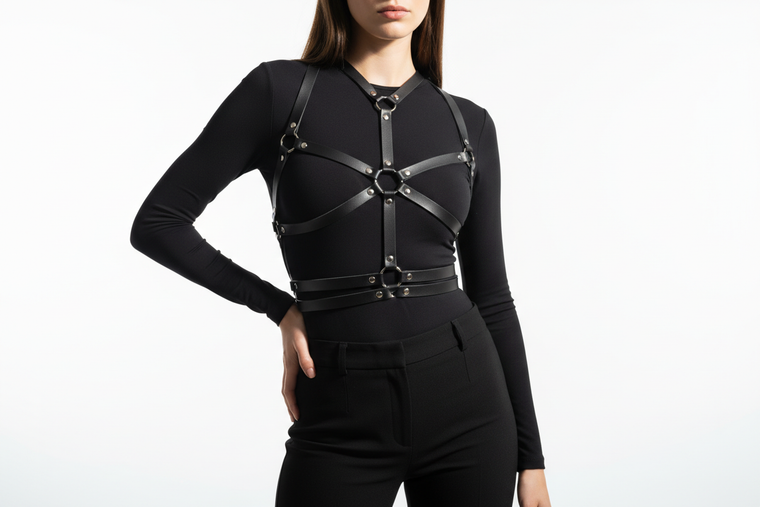
A belt-led design uses a visible strap or panel as the anchor. The current black and silver chain belt has a narrow black waist strap, two large O-rings and several silver-tone drapes. The white chain belt harness uses two structured faux leather bands with silver-tone chains.
Jewelry-Led Waist Chain
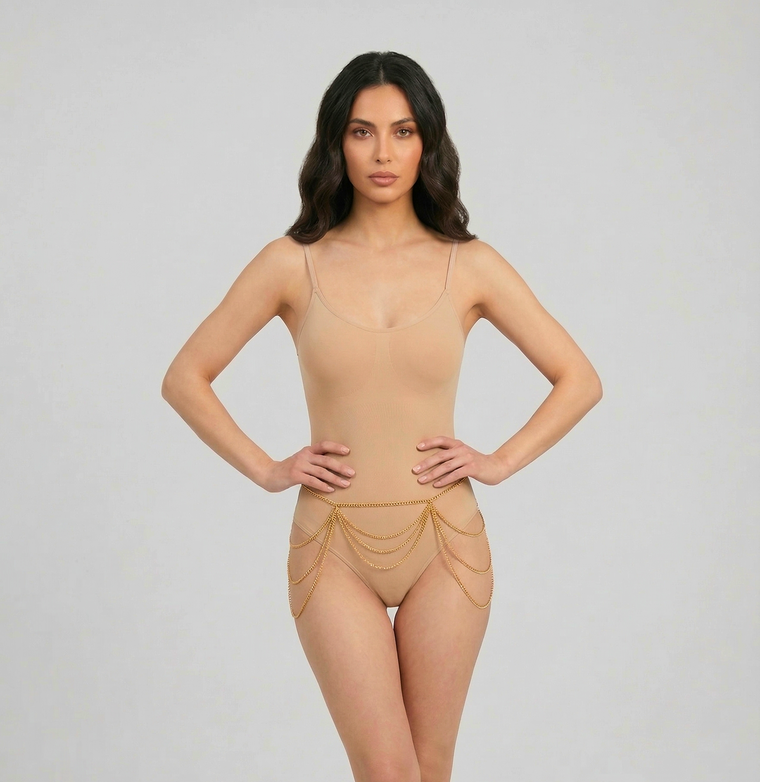
A waist or belly chain usually behaves more like jewelry. It may use fine links, charms, pearls or several light tiers without a broad strap. Compare those designs in the waist and belly chain collection. Separating the two types prevents a delicate chain from being chosen when you want the visual weight of a belt.
How to Wear a Chain Belt Step by Step
1. Choose Waist or Hip Placement
Natural-waist placement creates a higher, more defined line. Low-waist or hip placement lets chains drape farther over jeans, a skirt or a dress. Stand normally and mark the exact point with a soft tape. Do not rely on where the belt sits on a model with different proportions.
2. Measure Over the Intended Outfit
Measure over the garment, not bare skin, when the chain belt will be worn over clothing. Denim waistbands, belt loops, knitwear and layered dresses all change the usable circumference. Compare your number with published product dimensions or closure information. “One Size” does not prove a universal fit.
3. Identify the Main Anchor
Lay the belt flat and find the strap, clasp, hook or main chain line that carries the drapes. Untangle each hanging chain before fastening the anchor. Do not pull a fine link to free a knot; work from the fastening point toward the center.
4. Arrange the Drapes
Let each chain form a separate curve. Check that the longest drape does not cross a pocket opening, zipper, belt loop or delicate trim. A symmetrical design can be centered, while an intentionally asymmetric chain can sit slightly to one side.
5. Test Sitting and Walking
Sit, walk, bend and turn before leaving home. Watch whether the anchor shifts, a chain catches the chair or hardware presses into the body. Reposition or remove the belt if it causes pain, pinching, numbness or restricted movement.
How to Wear a Chain Belt with Jeans
Place It Above or Across the Waistband
For high-rise jeans, position the main belt line close to the waistband so the chains fall over the upper pockets. With mid- or low-rise jeans, a hip placement can create a longer drape. Keep the fastening hardware clear of the fly, front button and side pocket openings.
Use a Simple Top
A fitted tee, bodysuit, cropped top or tucked shirt keeps the waist visible. When the chain belt has several link sizes and O-rings, reduce competing hardware near the waist. Repeat one silver-tone detail in a necklace, shoe or bag if you want the outfit to feel connected.
Check Belt Loops and Pockets
A fashion chain belt does not have to run through denim belt loops. Draping it over the waistband may give the chains more room, but every product closes differently. Test whether the chain catches a loop or blocks the pocket before wearing it out.
How to Wear a Chain Belt with a Dress
Define the Natural Waist
On a straight or loose dress, place the belt at the natural waist to create a visual break. A black or white strap makes the anchor more obvious, while silver-tone chains add movement below it. Measure over the dress because fabric thickness changes the required length.
Try Low-Waist Placement
A low-slung chain belt can work over a fitted dress when the chains remain clear of the hem and side seams. The look is more relaxed and Y2K-led than a natural-waist placement. Test sitting so the lowest drape does not pull or catch.
Protect Delicate Fabric
Metal links and rivets can catch lace, loose knit, fringe or open weave. Inspect every contact point and avoid dragging the chain across the garment. If a dress is delicate, use a smoother belt route or keep the accessory away from vulnerable trim.
How to Wear a Chain Belt with Skirts
With a fitted or mini skirt, position the anchor just above the waistband so the drapes remain visible. With a fuller skirt, place the belt where the fabric can support it without bunching. A silver chain belt over black creates high contrast; a white waist strap creates an even stronger graphic line.
Check zippers, pleats and pockets. A chain that looks clear while standing may catch a pleat or side zip when you sit. Keep the belt as the main waist accessory instead of stacking several long chains in the same area.
Silver, Black, White and Gold Chain Belt Searches
Silver Chain Belt
Silver-tone chains create a cool metallic line and are the finish supported by the current Lunarness chain-belt gallery. The black O-ring waist strap and white double-band harness offer two different anchors for the same cool-metal direction.
Black Chain Belt
Black chain belt searches can refer to black chain, a black strap or both. Review the image carefully. The current priority product uses a black waist strap with silver-tone chains; it is not an all-black chain.
White Chain Belt
A white waist anchor stands out over black or saturated clothing. The current white harness belt is photographed with silver-tone drapes in front and side views. Its selector lists more colors, but the reviewed photos document white only.
Gold Chain Belt
Do not infer a gold finish from an old title, handle or search term. The current chain-belt products reviewed here do not show a gold chain belt. Gold-tone jewelry-led options may appear in the separate waist-chain collection, but their individual galleries and descriptions must be checked before buying.
Chain Belt Outfit Ideas
Minimal Black and Silver
Use a black base and one silver chain belt. Let the O-rings and drapes lead the outfit, then repeat only one small silver detail elsewhere. This route works for alternative, gothic and concert styling without requiring several competing accessories.
High-Contrast White Belt
Place the white chain belt harness over a fitted black dress or skirt. The white double band defines the waist while the silver drapes add movement. Keep the rest of the outfit clean so the contrast remains clear.
Structured Corset-Belt Route
If chain movement is not the priority, a wide faux leather corset belt creates a broad underbust panel and lace-up back. It belongs to the same waist-accessory comparison but serves a different silhouette from a draped chain belt.
Fit, Included Pieces and Safety Checks
- Measure the exact waist or hip placement over the intended clothing.
- Confirm the current closure, usable length and selected color.
- Use the product gallery to identify the anchor, metal tone and drape route.
- Do not assume styled clothing, lingerie or other straps are included.
- Test sitting, walking and bending before an event.
- Keep chains clear of zippers, pockets, bag straps and delicate fabric.
- Do not use decorative O-rings or chains for restraint, suspension or load bearing.
Fit Method and Product-Evidence Limit
Measure at the intended waist or hip position over the actual outfit layer, then compare that number with the live belt's documented anchor length, closure and adjustment points. A styled photograph and a one-size selector do not demonstrate a universal body range.
- ISO 8559-1:2017 - anthropometric definitions for body measurement
- U.S. Federal Trade Commission: Online Shopping consumer advice
ISO provides general principles for defined body measurements, while the FTC recommends reading the full product description and return terms. Neither source supplies a chain-belt allowance; that decision must stay tied to the exact garment layer and product construction.
Frequently Asked Questions
How should a chain belt fit?
It should stay at the intended waist or hip position during normal movement without painful pressure or repeated slipping. Measure over the planned outfit and compare that number with the product's published usable length or closure range.
Can you wear a chain belt with jeans?
Yes. Place the main line above or across the waistband and arrange the drapes so they stay clear of the fly, pockets and belt loops. Test sitting and walking before wearing the outfit out.
How do you wear a chain belt with a dress?
Use natural-waist placement to define a loose dress or low-waist placement for a more relaxed drape. Measure over the dress and check that links do not catch lace, knit, fringe or a side zipper.
What is the difference between a chain belt and a waist chain?
A chain belt usually has more belt-like structure, such as a visible strap, broad panel or heavier anchor. A waist or belly chain behaves more like fine jewelry. Product photos and construction are more reliable than the name alone.
Can a fashion chain belt be used for restraint?
No. The belts, O-rings and hanging chains discussed here are decorative fashion accessories. They are not designed or rated for restraint, suspension, climbing, lifting, fall protection or other load-bearing use.
Choose the Chain Belt Route That Matches Your Outfit
Start with the anchor and placement, then choose the metal tone and amount of drape. Compare the current chain belts and waist belts, read every product page and verify the photographed color and fit details before ordering.