What is a wedding garter? In current bridal styling, it is usually a decorative band worn around the upper thigh. It may be chosen as a private outfit detail, included in getting-ready photographs, kept after the event or used in an optional garter-toss plan. The name describes a category, not a universal material, size, set count or ceremony requirement.
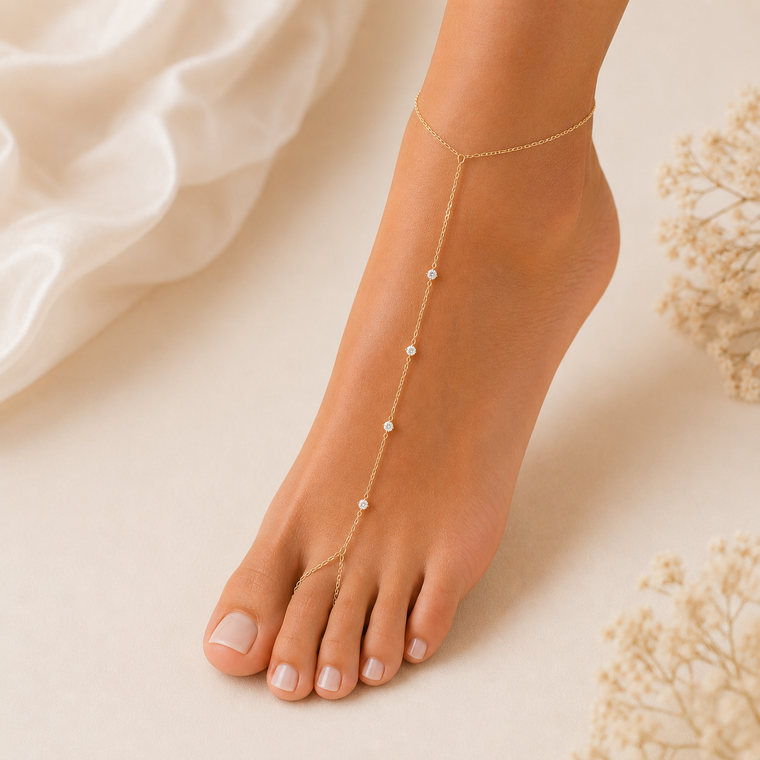
A garter belongs at the thigh, while a toe-ring chain or anklet follows a different route. The wedding foot jewelry guide compares those foot and ankle formats when coordinating bridal accessories.
This guide separates the definition from the purchase decision. It explains where a garter sits, how to check fit and piece count, and why a wedding garter is not the same item as a garter belt, thigh chain or fashion harness. When you want to compare the current photographed product, see the white lace bridal garter.
What Is a Wedding Garter?
A wedding garter is a band intended to sit around one thigh as part of a bridal or wedding outfit. Product designs can vary in width, surface, trim, color and construction. One may be a plain band; another may use lace, bows, bead accents or other decoration. The product page should state what is being sold rather than relying on the category name alone.
The Lunarness product photographed for this guide is one white lace band with a small bow and pearl-look bead accents. Two worn views show the piece around one upper thigh. Those photographs help with appearance and placement, but they do not provide a hidden closure view, exact circumference or evidence of a second garter.
What Is a Garter for in a Wedding?
Its purpose is chosen by the wearer. It can be an outfit accessory beneath a dress, a visible accent with a slit or shorter hem, a private keepsake detail or part of an optional reception plan. None of those uses is compulsory, and the presence of a garter does not require a toss. Start with comfort, personal preference and the exact item supplied.
Wedding Garter vs Garter Belt, Thigh Chain and Harness
Search results often mix products that occupy the thigh but have different structures. Comparing the route around the body is more useful than comparing names alone.
Single Wedding Garter
A single wedding garter is one band around one thigh. It does not extend to the waist and does not automatically connect to hosiery. A listing may sell one or more pieces, so verify the stated quantity. The Lunarness page and two reviewed photographs support one piece.
Garter Belt
A garter belt usually routes around the waist or hips and uses hanging straps intended to connect toward hosiery. That structure is different from one circular thigh band. A shopper looking for a waist-to-stocking system should not be sent to a single wedding garter merely because both products use the word garter.
Thigh Chain or Fashion Harness
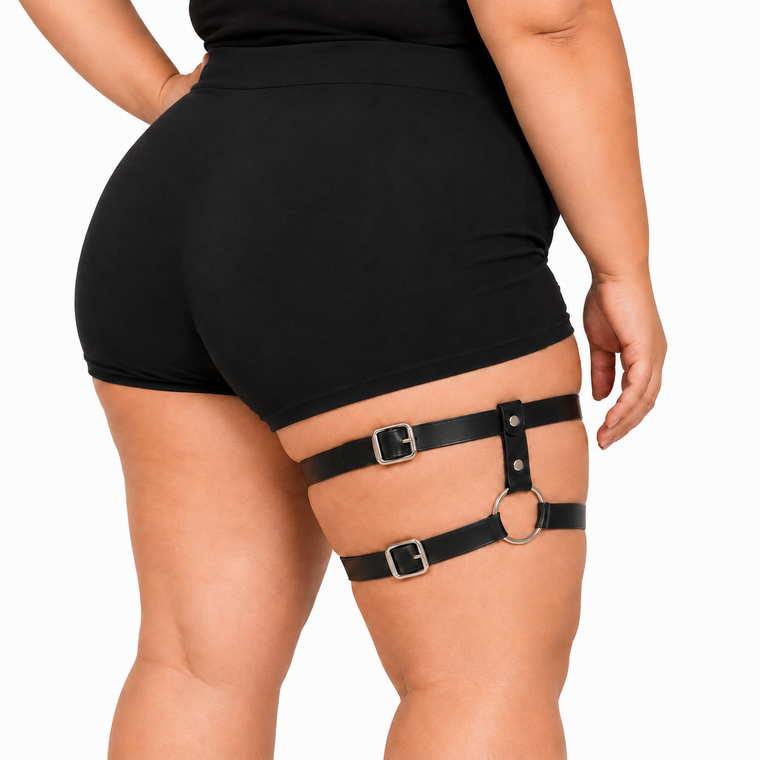
A thigh chain uses jewelry strands and a clasp or connector, while a fashion thigh harness uses one or more straps. Those pieces can be styled in an alternative bridal look, but their contact points, closures and visual weight differ from lace. Compare the pearl-detail thigh chain or thigh garter and harness collection only when that construction matches the intended look.
Where Is a Wedding Garter Worn?
A wedding garter is commonly positioned on the upper thigh, but there is no product-level reason to force one exact height or one required leg. Choose a point where the band can sit without interfering with the dress, hosiery, seams or another accessory. The front of a decorated design can be rotated so the bow or focal detail appears where you want it in a photograph.
Choose the Side for Access and Styling
Either thigh can work when the product fits and the outfit allows access. Consider a dress slit, asymmetrical drape, getting-ready photo angle and whether another piece already occupies one side. A convention or search phrase should not override the wearer's comfort.
Check the Position With the Full Outfit
Try the intended position with the same hosiery and garment layers planned for the event. Sit, stand and walk before relying on it for a long period. Confirm that the garter remains where intended without pressing into a seam, catching delicate fabric or becoming visible when that is not desired.
How Should a Wedding Garter Fit?
Measure the thigh at the exact height where the band will sit. Keep the tape level and close to the body without pulling it tight. Compare that number with the product's stated circumference or range. A one-size label, default selector or worn photograph does not prove compatibility with every thigh measurement.
The band should remain in position during ordinary movement without painful pressure, pinching or skin irritation. If a page does not publish a useful measurement, request confirmation before ordering. Do not estimate fit from the model alone: the model's measurements, photo angle and hosiery can change how the band appears.
Fit Questions to Ask Before Checkout
- Is a circumference or adjustment range published?
- Does the selector offer a size, or only one default configuration?
- Is the listing for one garter or a set?
- Is a closure shown or described?
- Does the gallery show the front, side, reverse and decoration?
- Will hosiery or another layer change the intended placement?
How to Choose a Bridal Garter
Start With the Exact Product Type
Decide whether you want a single thigh band, a waist-to-stocking garter belt, metal thigh jewelry or a fashion harness. Compare the construction and included pieces so you choose the accessory that matches the outfit you have planned.
Compare Visible Details With Listed Materials
Use photographs to confirm color, outline, surface pattern, bow placement and visible embellishments. Use the listing—not the image alone—to confirm fiber, bead or trim composition. In the Lunarness gallery, white lace, a small bow and pearl-look bead accents are visible; the photographs do not establish the exact bow or bead material.
Confirm Piece Count for Toss or Keepsake Plans
Some shoppers choose one band to wear and another item for a reception activity or keepsake. That is a purchasing choice, not a standard set definition. If you want two pieces, select a listing that explicitly says two are included or purchase the required count separately. A plural product name alone does not confirm that two pieces are included.
Review the Styled-Image Boundary
A hero image can include hosiery, lingerie, shoes, seating or a dress that is not part of the product. Count only what the title, included-piece statement, selector and product details support. On the reviewed product page, the garter is the subject; the black outfit, nude hosiery, pumps and bench are styling elements.
Wedding Garter Toss: Optional, Not a Product Requirement
A wedding garter toss is an optional reception activity, not a condition for wearing or buying a garter. Couples can include it, adapt it or omit it. Comfort and agreement matter more than a perceived rule. A product page also cannot promise that one delicate design is suited to every handling scenario simply because it is marketed for a wedding.
If a toss is planned, decide whether the worn piece or a separate piece will be used, confirm who is comfortable participating and keep the activity away from garment hooks or sharp jewelry that could catch lace. The Lunarness product is presented as one photographed garter; a second toss piece is not shown.
Styling a White Lace Wedding Garter
White lace can blend into a light bridal palette or create deliberate contrast with a black or dark dress. A higher slit can make the detail visible, while a longer opaque skirt can keep it private. For a dark outfit, the black wedding dress accessories guide explains how neck, waist, body and thigh pieces compete for visual attention.
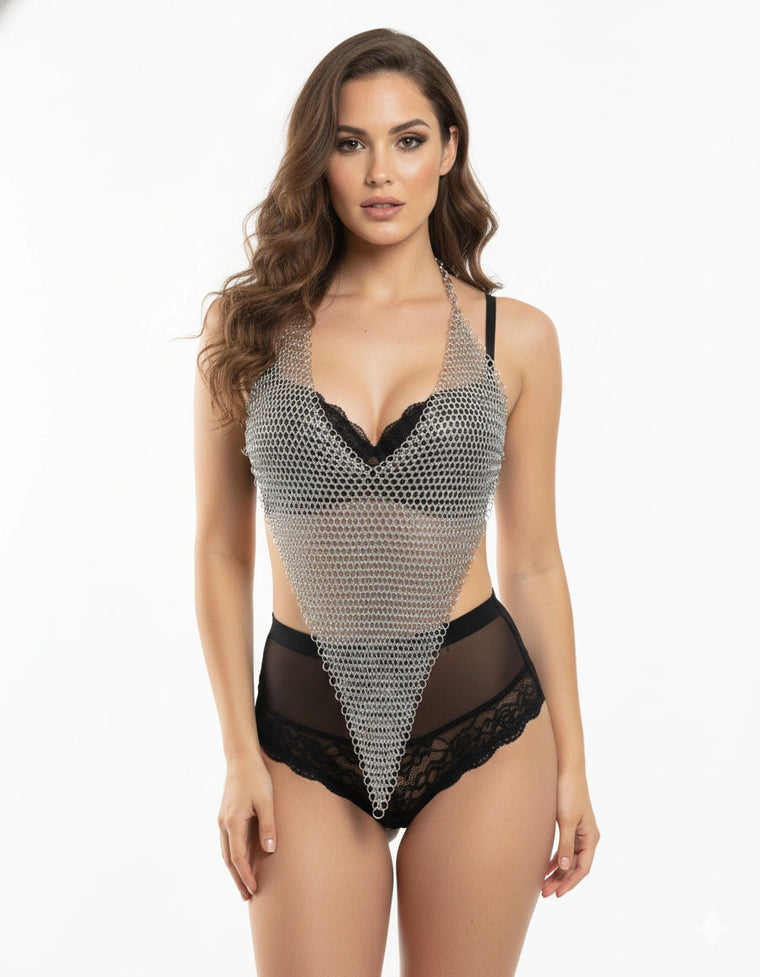
Keep the number of focal points intentional. If the garter has lace, a bow and bead details, a simpler thigh area avoids overlap. Pearl-detail shoulder, waist or body jewelry can repeat the rounded accents elsewhere, but each additional piece needs its own fit and included-piece check. Browse bridal body jewelry and wedding accessories by body position rather than assuming every product is a garter.
Wedding Garter Buying Checklist
- Choose a single garter, garter belt, thigh chain or harness intentionally.
- Measure the exact thigh position and compare it with published dimensions.
- Confirm the piece count; do not assume one, two or a set from the search phrase.
- Check the listed color, material, trim and closure against the gallery.
- Identify which garments and accessories in styled images are not included.
- Test the position with the intended outfit while sitting, standing and walking.
- Follow the current product care directions and protect delicate details from snags.
Frequently Asked Questions
What is a wedding garter?
A wedding garter is a decorative band worn around a thigh as part of a bridal or wedding outfit. It may be a private styling detail, keepsake accessory, photo element or part of an optional reception plan. Material, fit and piece count depend on the exact product.
What is a garter for in a wedding?
It can be worn for personal styling, photographs, a keepsake plan or an optional garter toss. There is no requirement to include or toss one. The wearer should choose the purpose, placement and level of visibility.
Which leg does a wedding garter go on?
Either leg can work when the product fits and the outfit allows it. Choose the side based on comfort, dress construction, a slit or drape, access and the desired photo angle rather than treating one leg as mandatory.
How tight should a wedding garter be?
It should remain in the intended position during normal movement without painful pressure, pinching or irritation. Measure at the planned height and compare the number with the product's published dimensions; a model photo is not a sizing chart.
Is a wedding garter the same as a garter belt?
No. A wedding garter is typically one band around one thigh. A garter belt routes around the waist or hips and uses hanging straps toward hosiery. Verify the product structure and included pieces before buying.